Services
Comprehensive Archaeological Material Analysis—From Field to Data Insight
We combine geochemical precision with intelligent software to classify, compare, and visualize archaeological materials.

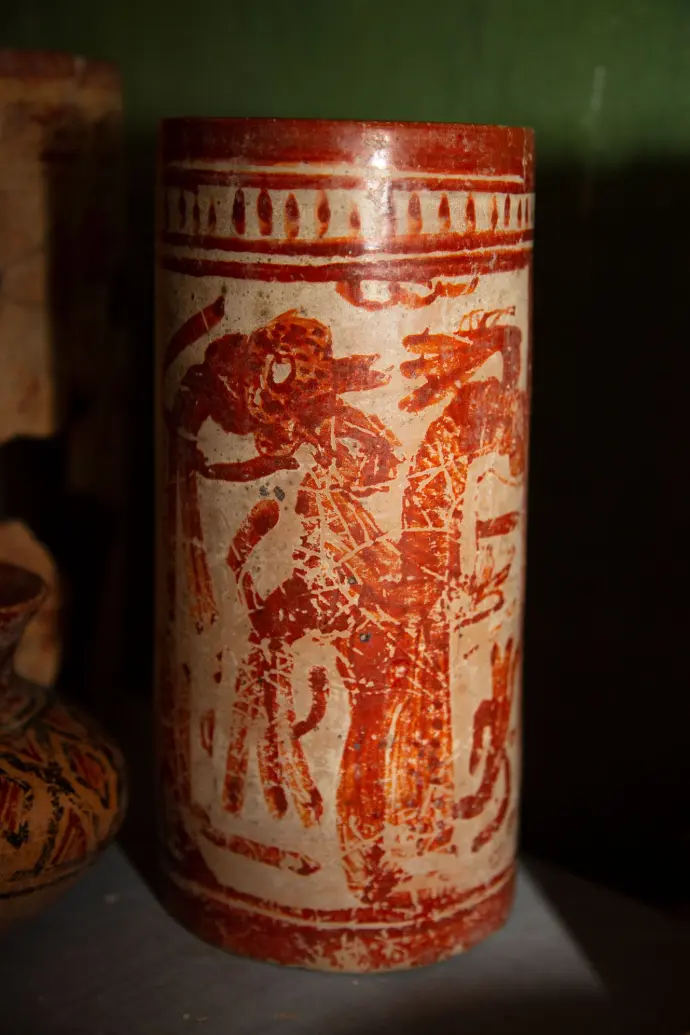
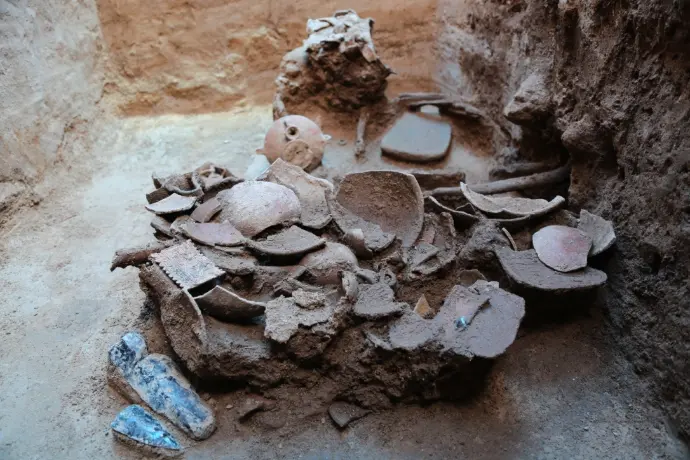
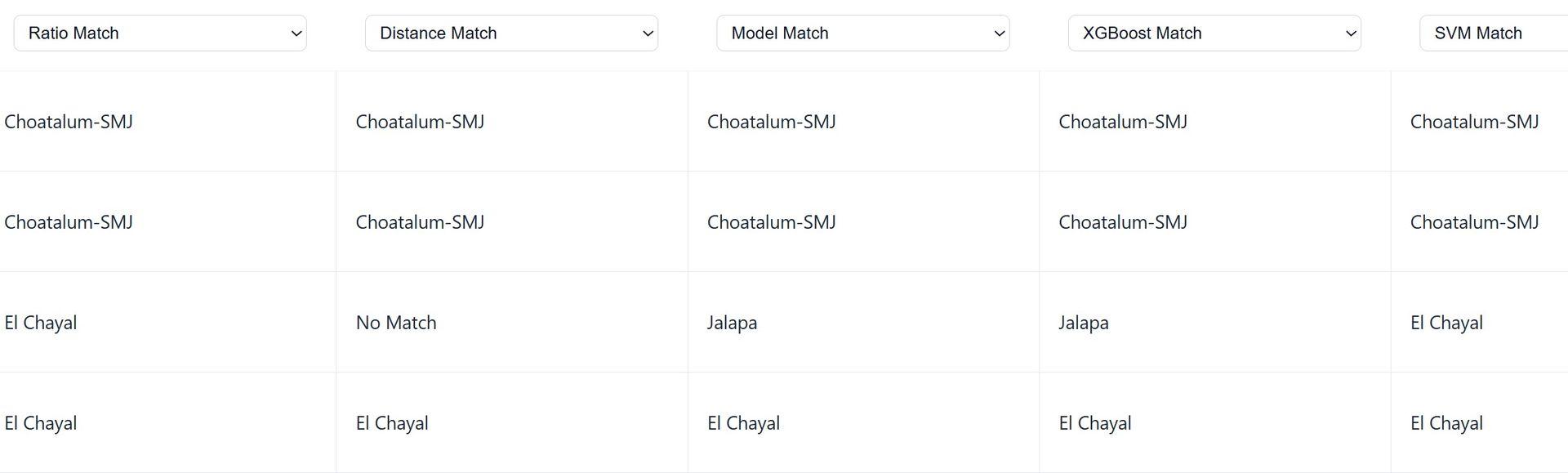
Obsidian Source Tracing
Identify the geological origin of obsidian artifacts with up to five complementary classification methods, including ratio-based, Mahalanobis distance, and advanced machine learning models (XGBoost, SVM, Random Forest).
Output: confidence-ranked source assignments, complete with reproducible audit trails.
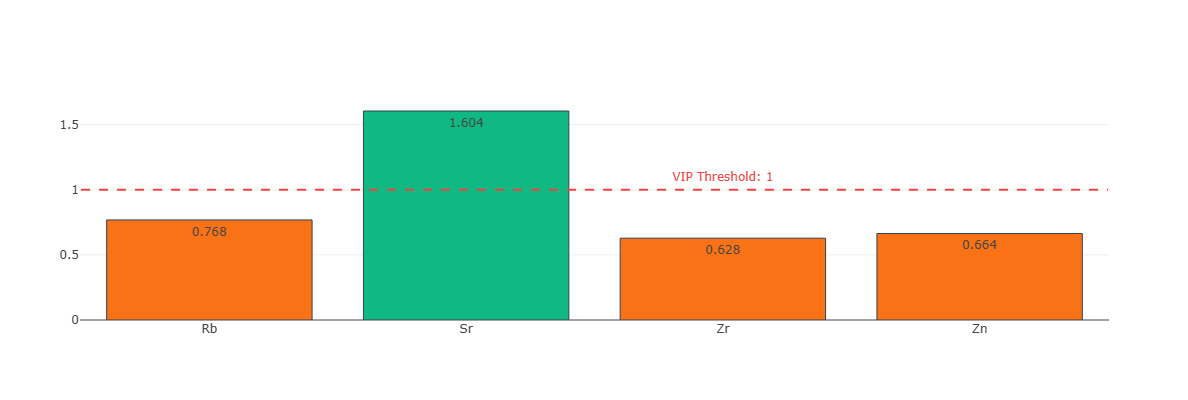
Material Classification Beyond Obsidian
Extend analysis to chert, ceramics, pigments, stucco, and other archaeological materials.
Leverage PCA, clustering (DBSCAN, HDBSCAN, KMeans), and VIP analysis to identify unique compositional patterns and material origins.
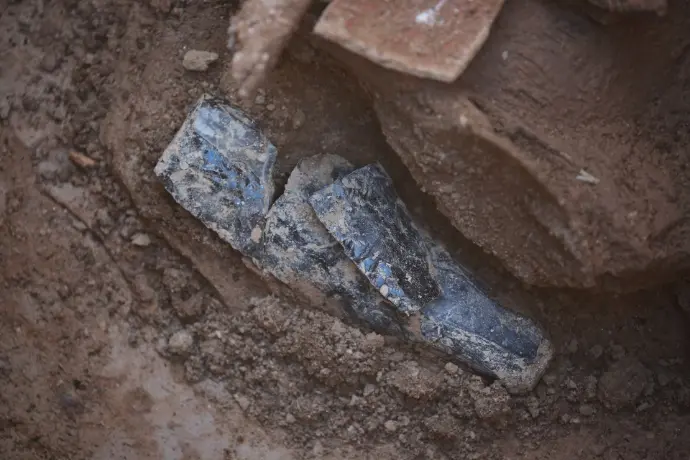
Machine Learning Model Training
Train, validate, and manage custom models for each material type.
Supports material-specific element selection, automatic versioning, and adaptive model retraining with new data.
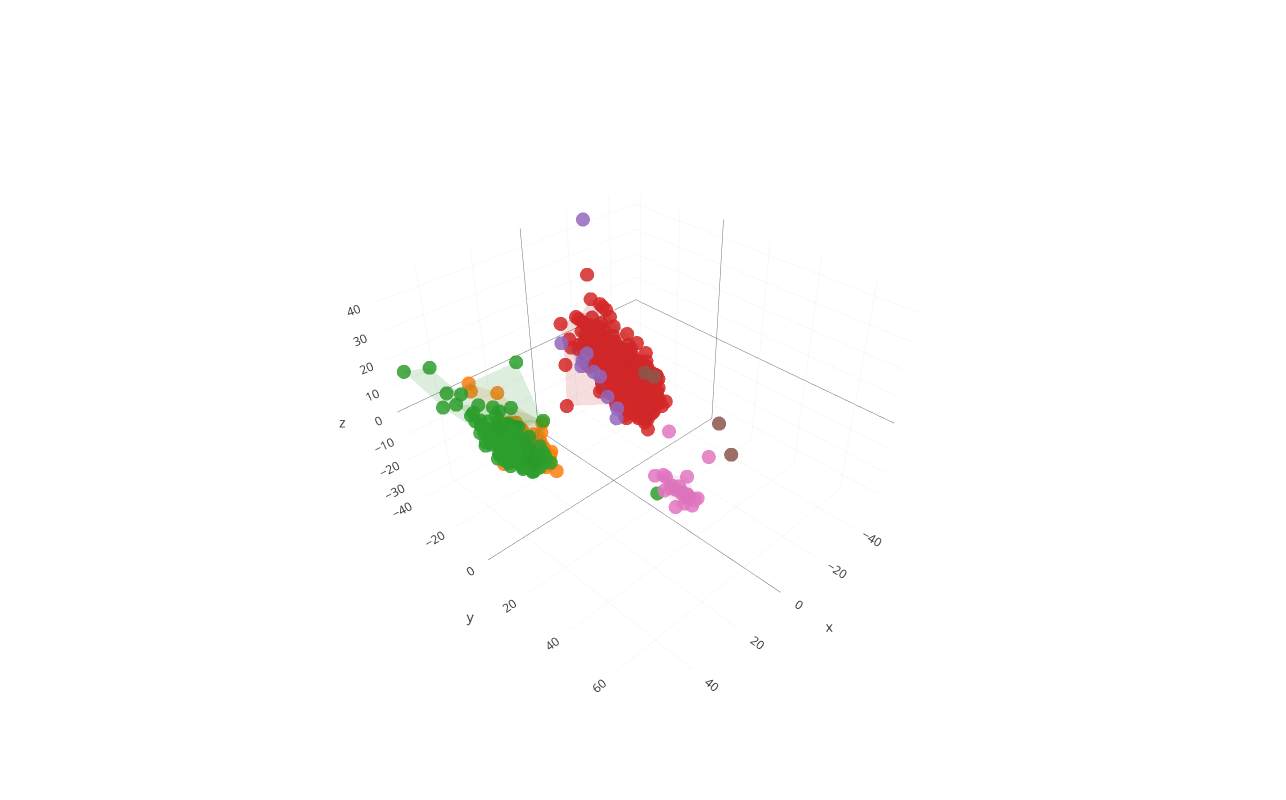
Statistical & Geochemical Analysis
PCA & VIP element importance
Ratio-based and distance-based discrimination
Cluster validation metrics (Silhouette, Calinski-Harabasz, Davies-Bouldin)

Reporting & Research Tools
Generate publication-ready reports and visualizations.
Export data as PDF, CSV, or high-resolution images.
Maintain a complete classification history for transparency and reproducibility.
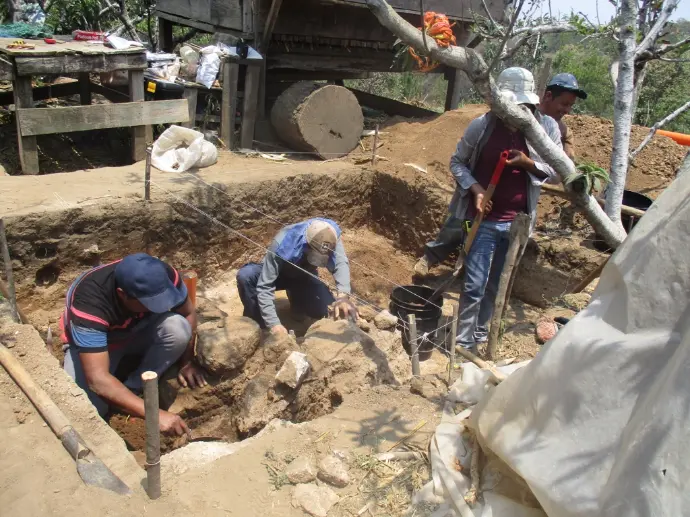
Collaboration & Data Management
Role-based access, project isolation, and shared notes make teamwork seamless.
Researchers can independently work on projects while maintaining centralized data governance.